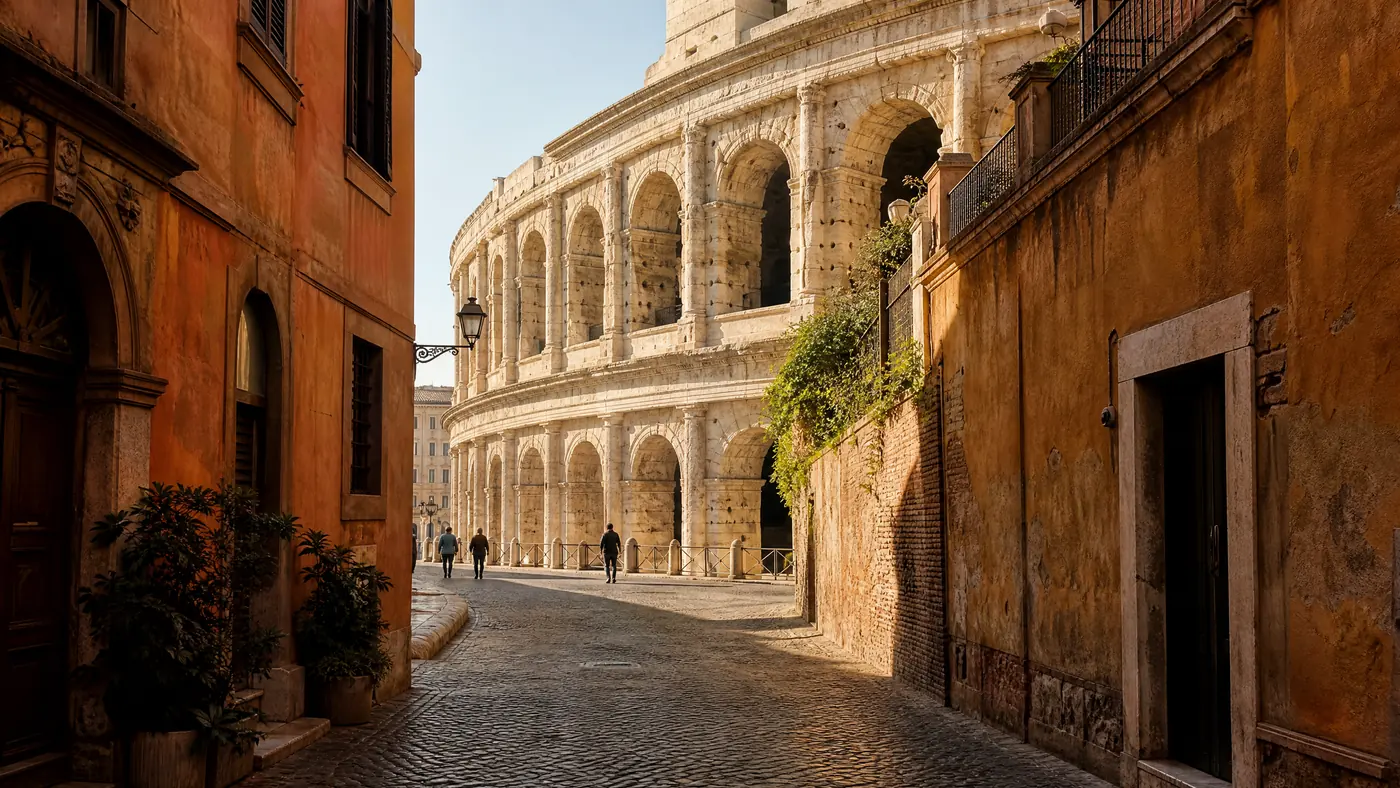
To book: Street food in Campo de' Fiori and Trastevere, from $49 per person. Check dates Tour details
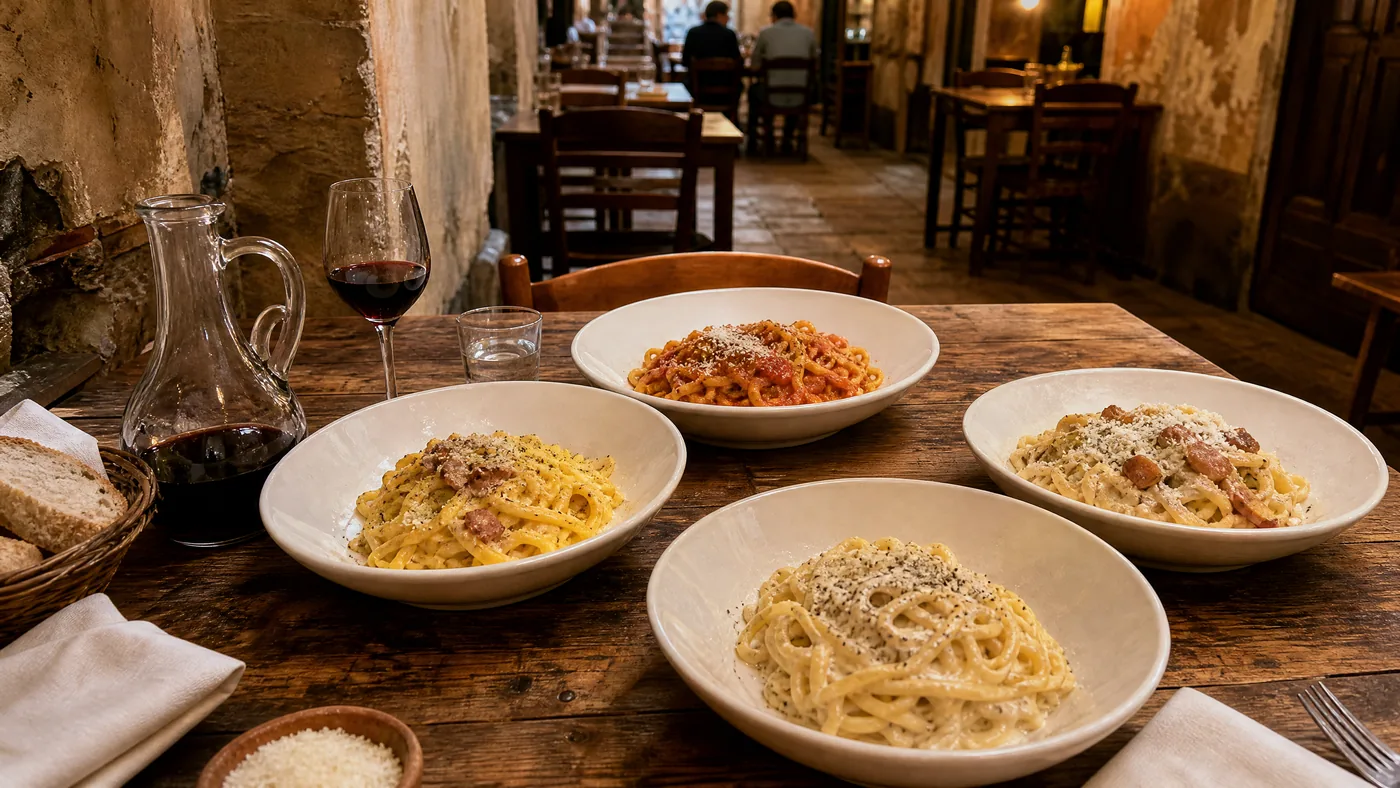
Roman cuisine is short and precise. Few ingredients, always the same: guanciale, Pecorino Romano, black pepper, eggs. With these, three of the four pasta dishes every Roman defends are made, and the fourth adds tomato.
The rest is eaten standing: supplì, pizza al taglio, gelato. This guide puts in order what to taste, when to find it, and the rules of the bill, from coperto to tipping, which often confuse visitors.
The short answer
What to eat in Rome: the four Roman pasta dishes, i.e. carbonara, cacio e pepe, amatriciana and gricia; supplì; pizza al taglio; maritozzo with cream; and, from January to May, carciofi alla giudia. Tipping is not mandatory: the coperto goes to the restaurant, and if the bill includes service, nothing else is needed.
What is the must-try food in Rome?
Carbonara, cacio e pepe, amatriciana and gricia, supplì and pizza al taglio. For dessert, maritozzo with cream, and in spring, carciofi alla giudia.
If you have three days, you have six meals, and that’s enough. A Roman pasta for lunch, street food in the evening, a maritozzo for breakfast. The table shows what’s in each dish and what to know before ordering.
The recipes are the traditional ones, as described by the Rome Capitale tourism portal and gastronomic guides. Every trattoria has its version, but the basic ingredients are non-negotiable.
| Dish | What’s in it | Good to know |
|---|---|---|
| Carbonara | Spaghetti or rigatoni, guanciale, eggs, Pecorino Romano DOP | No cream: the sauce comes from the egg and cheese |
| Cacio e pepe | Spaghetti or tonnarelli, Pecorino Romano DOP, black pepper, pasta cooking water | The cream is made by mixing the Pecorino with the water |
| Amatriciana | Bucatini or spaghetti, guanciale, tomato, Pecorino Romano | The sister of gricia with tomato |
| Gricia | Guanciale, pecorino and pepper, no tomato | The ancestor of amatriciana |
| Supplì | Rice with ragù or tomato, mozzarella center, breaded and fried | «Al telefono» for the mozzarella string |
| Pizza al taglio | High-hydration dough, rectangular shape, crispy | To eat while walking |
| Maritozzo | Sweet, soft bread, opened and filled with whipped cream | For breakfast or a snack |
| Carciofi alla giudia | Whole fried artichokes, opened like a flower | In season from January to May |
What are the four Roman pasta dishes?
Carbonara, cacio e pepe, amatriciana and gricia. Three use guanciale; cacio e pepe only pecorino and pepper.
Gricia is the base of it all: guanciale, pecorino and pepper, no tomato. Add tomato and you have amatriciana, with bucatini or spaghetti. Add egg and you have carbonara, with spaghetti or rigatoni. Remove the guanciale and you’re left with cacio e pepe, the hardest: the pecorino romano DOP and black pepper must be emulsified with the pasta cooking water until you get a cream.
A tip for choosing the restaurant: if they do cacio e pepe well, they do everything else well. It’s the dish that doesn’t forgive.
If instead you want to learn to make pasta with your own hands, the pasta and tiramisù class near the Vatican teaches you how to make fresh pasta from scratch and tiramisù. Then you sit down and eat what you have cooked, with wine and prosecco, and take the recipes home with you.
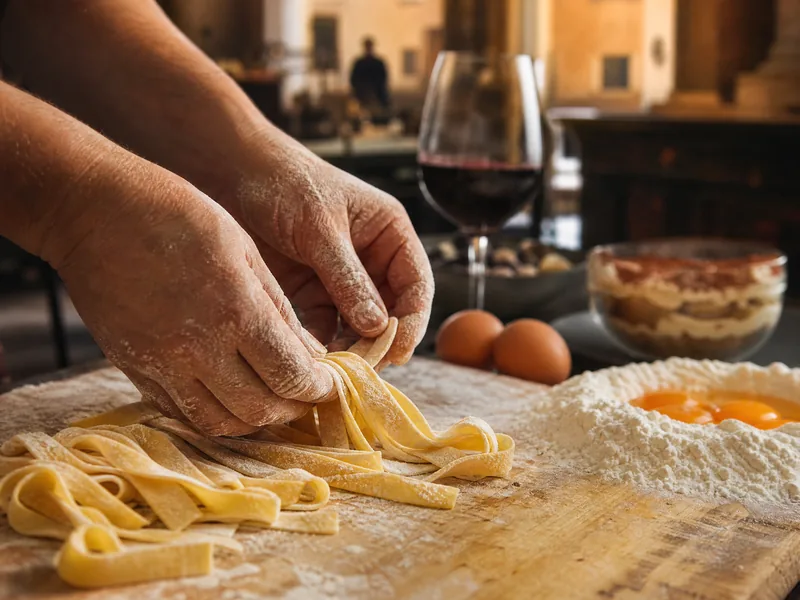
Handmade pasta and tiramisù with a chef, then the meal in the restaurant with wine and prosecco, near the Vatican. Free cancellation up to 24 hours before.
Discover the pasta and tiramisù class Tour detailsWhat is supplì and where to eat street food in Rome?
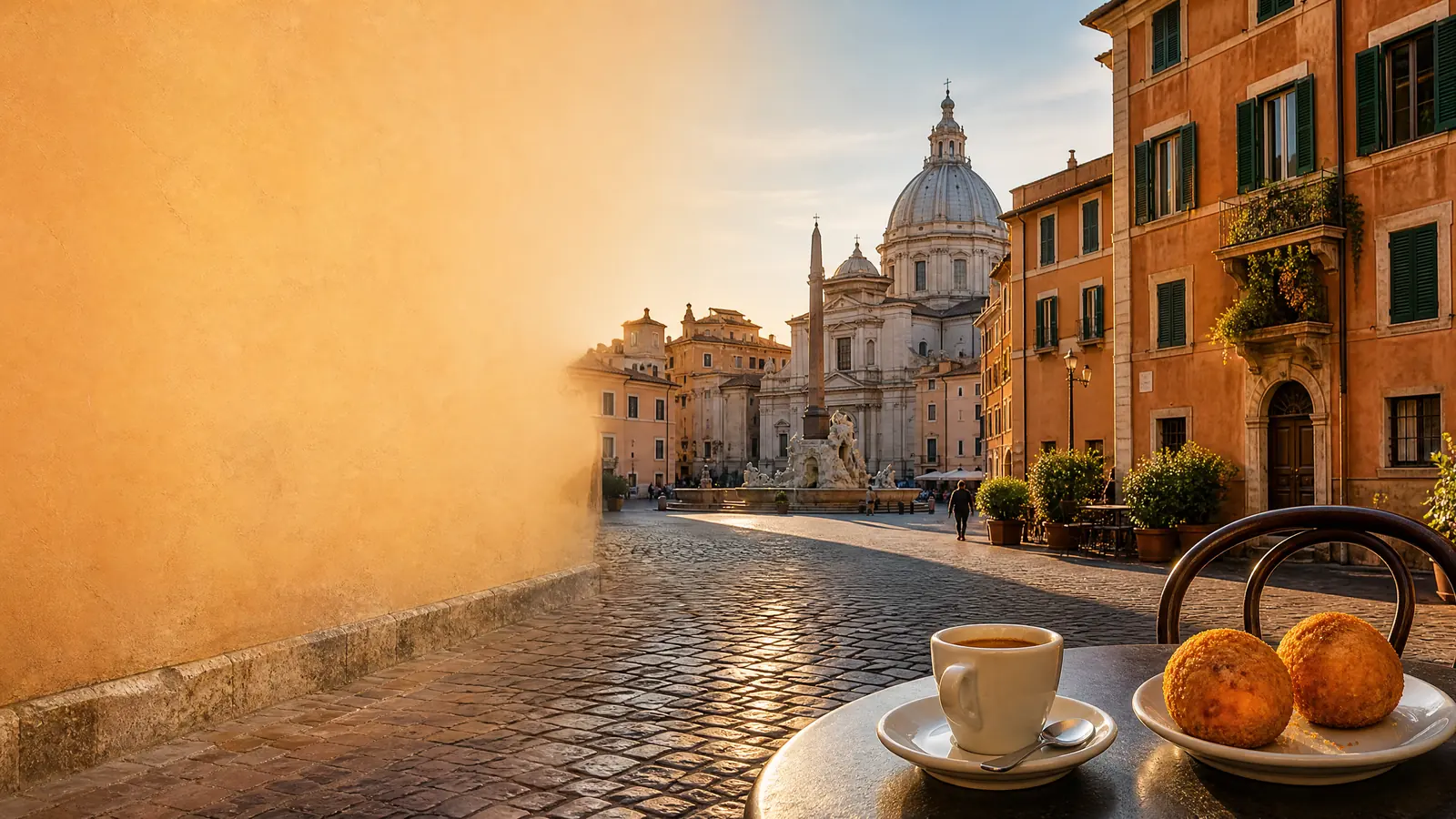
Supplì is a fried rice croquette, with ragù or tomato and a mozzarella center. It’s eaten standing up, with pizza al taglio, between Campo de’ Fiori and Trastevere.
Supplì is called «al telefono» for the mozzarella string that stretches when you break it in half. It’s breaded and fried, and must be eaten hot. Pizza al taglio is the other half of Roman street food: rectangular, crispy, with a high-hydration dough, to eat while walking, as described by Gambero Rosso.
The classic area runs from Campo de' Fiori, one of Rome’s oldest open-air markets, to Trastevere, on the other side of the Tiber. The street food tour does exactly this route in two and a half hours. According to the listing: a crispy Roman pizza from a bakery active since 1870, supplì, a Roman sandwich and artisanal gelato, with a stop at Santa Maria in Trastevere.
Two warnings from the listing. Drinks are not included, and the tour is not suitable for vegans or people with celiac disease. It runs in any weather, in groups of up to 14 people.
When do you eat carciofi alla giudia?
From January to May is the season for Romanesco IGP artichokes; the best is in March and April. From October to December they are out of season.
Carciofi alla giudia come from the Jewish-Roman cuisine of the Ghetto: the whole artichoke, fried, opens like a flower. The Romanesco IGP artichoke, the right one, has its season from January to May, with the best between March and April, according to the tourist portal of Roma Capitale.
So if you go to Rome in autumn, it’s not their time. Save the artichoke for a spring trip and order one of the four pastas, which have no season.
Roman street food in two and a half hours on foot, between Campo de’ Fiori and Trastevere, with an authorized guide. Drinks are not included.
Check dates for the street food between Campo de’ Fiori and TrastevereWhat to eat in Rome for breakfast and dessert?
Maritozzo with whipped cream in the morning, gelato while walking, tiramisù at the end of the meal.
Maritozzo is a sweet, soft bun, opened in half and filled with whipped cream. It’s the most indulgent breakfast in Rome, and it doesn’t need anything else.
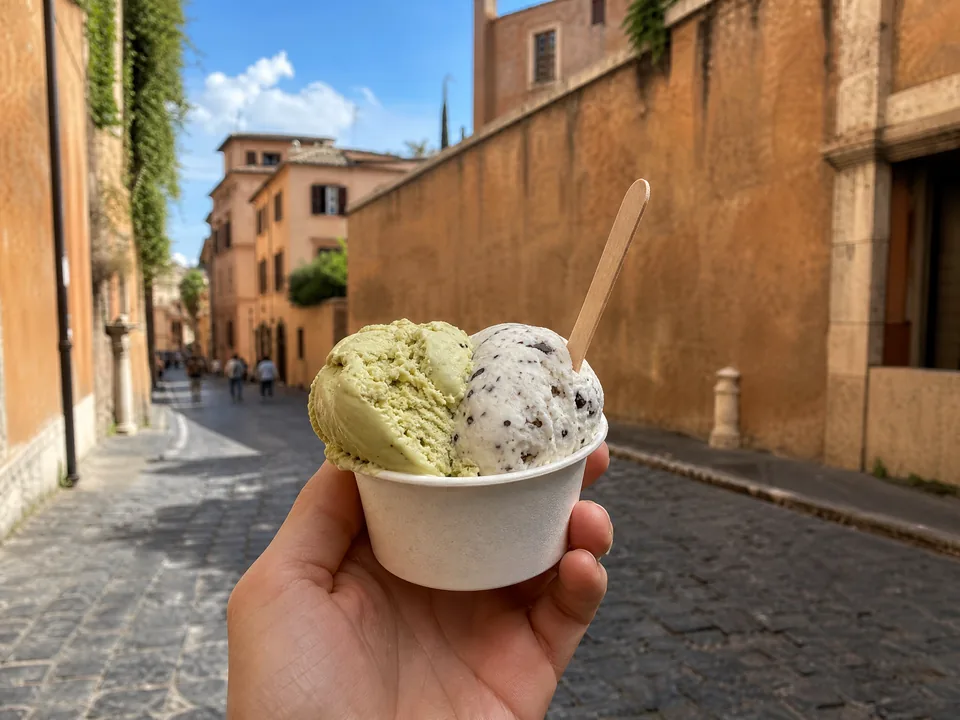
Gelato is the street dessert: you get it in a cup and eat it while walking. The street food tour puts it at the end, in a bar in the neighborhood, according to the listing.
Tiramisù, on the other hand, you can make yourself. In the pasta class the listing puts it next to handmade pasta: you prepare it during the lesson and eat it at the end of the meal.
How do coperto, service charge and tipping work in Rome?
The coperto is a cost that goes to the restaurant. If the bill includes servizio, that’s already the tip. The real tip remains a choice: a few euros, up to 10% if you were served very well.
Is it rude not to leave a tip in Rome? No. The coperto goes to the venue; the servizio, when it’s there, replaces the tip, and according to local guides these items must appear on the menu. Read the menu before ordering and the bill won’t surprise you.
If you want to leave something, a few euros is enough; 10% is already generous. No one is offended if you don’t.
You can pay by card almost everywhere: according to law 233/2021, from 30 June 2022 anyone who refuses a card payment risks a fine of €30 plus 4% of the amount. A few coins in your pocket still come in handy for small expenses.
Is a food tour or a cooking class better?
Take the food tour if you want to taste a lot and see the districts; take the class if you want to learn pasta and sit at the table. The first lasts two and a half hours, the second from two and a half to three.
They are two different experiences. The street food is on the move, with many short stops; the class is seated, with your hands in the flour and wine on the table. The table compares the two options as described in the listings.
If you have two evenings, do both: the class on the first evening, the street food on the last, when you already know where to return.
| What matters | Street food in Trastevere | Pasta and tiramisù cooking class |
|---|---|---|
| Duration | 2.5 hours | 2.5-3 hours |
| What you eat | Pizza, supplì, Roman sandwich, gelato | The pasta and tiramisù you prepare |
| Drinks | Not included | Wine, prosecco and soft drinks included |
| Diets | Not suitable for vegans and celiacs | Substitutions possible; traditional recipe contains gluten, dairy and eggs |
| Meeting point | Piazza San Simeone, at the fountain | Depending on the option chosen, near the Vatican |
| Rating | 4.9 out of 4,677 reviews | 4.9 out of 8,715 reviews |
| Price | From $49 | From $27 |
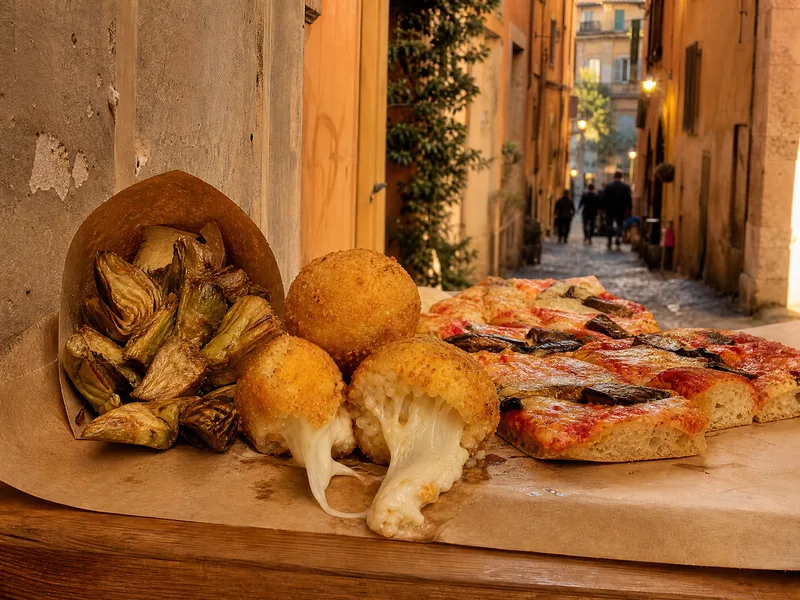
Two and a half hours with an authorized guide between Campo de' Fiori and Trastevere: pizza, supplì, Roman sandwich and gelato. Drinks are not included.
Discover street food in Campo de' Fiori and Trastevere Tour detailsCan you drink the water from Rome’s drinking fountains?
Yes. The nasoni, the public drinking fountains, provide free drinking water: in Rome there are almost 2,500, over 200 in the center alone.
They have been working since 1874. To drink without bending, cover the lower spout with a finger: the water comes out of the upper hole, like a small fountain. The Acquea app shows them on the map.
Fill your water bottle in the morning and you won’t need to buy water all day. At the Vatican Museums, however, you cannot eat or drink in the rooms: the bottle stays in your backpack.
And if you want to take a taste of Rome home with you, Pecorino Romano DOP and guanciale are the ingredients of the four pastas. More advice on what to buy is in the guide to mistakes to avoid.
Frequently asked questions
Is it rude not to leave a tip in Rome?
No. The coperto goes to the restaurant, and if service is on the bill, it replaces the tip. If you want to leave something for good service, a few euros are enough.
Is carbonara made with cream?
No. The Roman recipe uses guanciale, eggs and Pecorino Romano DOP, with spaghetti or rigatoni. The cream comes from the egg and cheese.
Is the street food tour suitable for celiacs and vegans?
No: the listing says the tour is not suitable for gluten-free or vegan diets. The pasta class offers substitutions, but the lesson follows the traditional recipe, with gluten, dairy and eggs.
What do you eat in Rome in autumn?
The four pasta dishes and street food, which have no season. Carciofi alla giudia are in season from January to May: autumn is not their time.
Ready to book
Choose your experience
Free cancellation on every option, up to 24 hours before. Prices are starting prices in USD and change with the season.
Street food in Trastevere and Campo de' Fiori
- 2.5-hour walk
- Authorized guide
- The tastings along the route
Handmade pasta and tiramisù, with wine
Make pasta and tiramisù, then eat them with wine